Ceramic Coating in Denver: Why It’s the Best Middle Ground Between PPF and Wax in Ceramic Coating Denver, CO
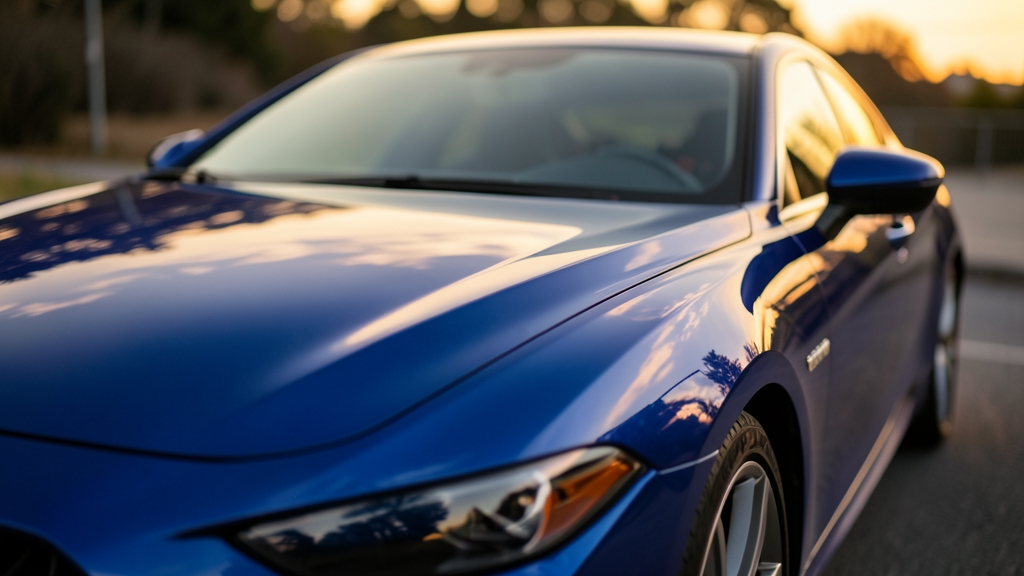
Denver’s high-altitude sun, road salt, and sudden hail make paint protection non-negotiable. Ceramic coating strikes the perfect balance: deeper gloss and longer-lasting defense than wax, without the bulk of PPF. We break down why it’s the smart choice for local drivers.
The Protection Spectrum: Wax, Ceramic Coating, and PPF
Wax offers a warm, deep shine but fades in weeks under Denver’s intense UV. It’s a temporary fix, not a shield.
PPF provides physical armor against rock chips and hail, but it’s thicker, pricier, and can yellow over time.
Ceramic coating sits in the sweet spot: a semi-permanent, invisible layer that repels contaminants, resists UV, and lasts years with minimal upkeep.
| Feature | Carnauba Wax | Ceramic Coating | Paint Protection Film (PPF) |
|---|---|---|---|
| Durability | 2-8 weeks | 2-5 years | 5-10 years |
| UV Protection | Minimal | Excellent | Excellent |
| Scratch Resistance | None | Moderate (9H hardness) | High (physical barrier) |
| Self-Cleaning | Low | High (hydrophobic) | Low |
| Gloss Enhancement | High (temporary) | Very High (long-term) | Moderate (depends on finish) |
| Hail/Rock Chip Protection | None | None | Yes |
| Maintenance | Reapply often | Low (annual top-ups) | Low (but may need repairs) |
Why Denver’s Climate Demands More Than Wax
At 5,280 feet, UV rays are 25% stronger here. Wax can’t withstand that—it oxidizes fast, leaving paint vulnerable.
Winter road salt and magnesium chloride eat through wax in weeks. Ceramic’s chemical bond laughs at these contaminants.
Temperature swings from 70°F days to sub-zero nights cause wax to crack and fail. Ceramic coating flexes with the paint.
Applying wax in cold Denver winters often leads to uneven bonding. Ceramic coating cures properly in controlled conditions year-round.
How Ceramic Coating Outperforms PPF in Key Areas
PPF excels at impact protection, but it’s not invincible. Ceramic coating won’t peel at edges like PPF can after years of exposure.
Gloss is where ceramic shines—literally. PPF can dull over time, while ceramic enhances depth and clarity for the life of the coating.
For drivers in Aurora, Lakewood, or Commerce City, ceramic coating is easier to maintain. No need for PPF’s specialized cleaners or repairs.
The Science Behind Ceramic Coating’s Durability
We use nano-ceramic polymers with SiO2 (silicon dioxide) that bond molecularly to your clear coat. This isn’t a surface layer—it’s part of the paint.
The 9H hardness rating means it resists swirl marks from automatic car washes, a common issue in busy areas like Wheat Ridge.
Hydrophobic properties cause water to bead and roll off, taking dirt with it. Less washing, less risk of scratches from improper techniques.
Ceramic coating amplifies imperfections. Always start with paint correction and polishing for flawless results.
Real-World Benefits for Denver Drivers
Say goodbye to oxidation. Ceramic coating blocks UV rays that turn your paint chalky, a huge issue for older vehicles in Englewood.
Bird droppings and tree sap? They’ll slide right off. No more etched paint from a weekend parked under a cottonwood.
Easier cleaning means less time at the car wash. A quick rinse often restores that just-detailed look, even after a dusty drive to the mountains.
When PPF Might Still Be the Better Choice
If you frequently drive gravel roads or park under trees in areas like Evergreen, PPF’s impact resistance is unmatched.
For high-end or classic cars where original paint must stay pristine, some owners layer PPF on high-impact areas and ceramic coating everywhere else.
Fleet vehicles in Commerce City or Wheat Ridge often benefit from PPF’s heavy-duty protection, though ceramic coating is a cost-effective alternative for many.
Signs PPF Could Be Right for You
- You drive on unpaved roads often
- Your car is a high-value or collector’s model
- You’ve experienced hail damage in the past
- You prioritize physical barrier protection over gloss
What to Expect During and After Application
The process starts with a thorough decontamination wash to remove embedded iron particles and tar. This step is critical in Denver’s industrial areas.
Paint correction follows, where we eliminate swirls, scratches, and oxidation. The better the prep, the better the coating’s performance.
Curing takes 24-48 hours. During this time, avoid water, car washes, or parking under trees. Full bonding takes up to 30 days.
How to Maintain Your Ceramic Coating in Denver
Proper care extends your coating’s life and keeps it looking showroom-fresh.
- 1Wash Regularly
Use a pH-neutral car shampoo and microfiber wash mitts. Avoid automatic car washes with harsh brushes, especially in winter.
- 2Dry Thoroughly
Water spots can leave mineral deposits. Use a clean microfiber towel or a blower to prevent streaks.
- 3Use Ceramic-Safe Products
Avoid wax-based products or silicone sprays. Stick to ceramic-specific detail sprays for touch-ups.
- 4Reapply Top-Up Spray
Every 6-12 months, apply a ceramic boost spray to refresh hydrophobic properties. This is crucial after harsh Denver winters.
- 5Address Contaminants Immediately
Bird droppings, bug splatter, and tar should be removed ASAP. Use a dedicated contaminant remover if needed.
- 6Avoid DIY Fixes
If you notice water no longer beading, don’t layer more coating. Contact us for a professional inspection.
Frequently Asked Questions
How long does ceramic coating last in Denver’s climate?
With proper maintenance, our ceramic coatings last 2-5 years. Denver’s UV and temperature swings can shorten this slightly, but annual top-ups help maximize longevity.
Can ceramic coating prevent hail damage?
No. While ceramic coating adds a hard, protective layer, it doesn’t absorb impacts like PPF. For hail-prone areas like Aurora, we recommend PPF for roof and hood protection.
Is ceramic coating worth it for an older car in Ceramic Coating Denver?
Absolutely, if the paint is in decent condition. We often restore older vehicles in Englewood or Lakewood with paint correction followed by ceramic coating to protect the renewed finish.
Can I apply ceramic coating over existing wax or sealant?
No. All wax, sealants, and contaminants must be fully removed before application. This ensures the coating bonds directly to the clear coat for maximum durability.
Does ceramic coating work on matte or satin paint?
Yes, but it requires a specialized matte-specific ceramic coating. These products enhance protection without adding unwanted gloss. We offer this for vehicles in Wheat Ridge and beyond.
How does ceramic coating compare to Ceramic Window Tint?
Both use nano-ceramic technology, but they serve different purposes. Ceramic coating protects paint, while ceramic window tint blocks UV rays and heat. Many of our clients in Commerce City opt for both.