How Ceramic Coating in Denver Beats Frequent Waxing for Long-Term Savings in Ceramic Coating Denver, CO
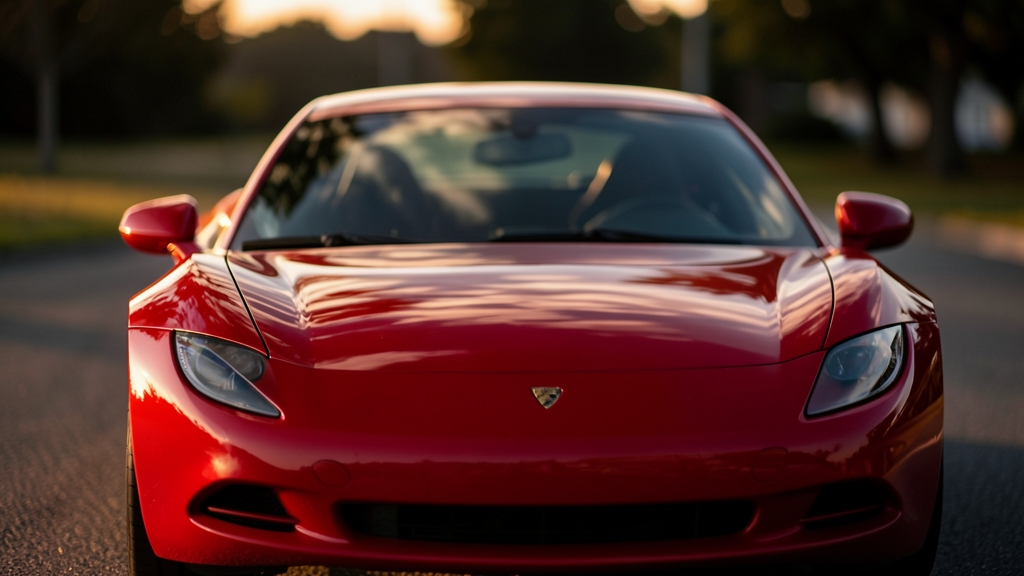
Tired of reapplying wax every few months to keep your car’s finish looking sharp? Ceramic coating offers a long-term solution that slashes maintenance time and costs while shielding your paint from Denver’s intense sun, road salt, and seasonal debris. We break down the real savings and performance benefits.
Why Denver Drivers Need More Than Wax
Colorado’s high-altitude sun accelerates paint oxidation, fading, and clear coat breakdown. Wax provides temporary UV protection, but it degrades quickly under these conditions, leaving your finish vulnerable.
Road salt in winter and alkaline water spots from summer sprinklers etch into unprotected paint. Ceramic coatings form a permanent bond with your clear coat, resisting these contaminants far longer than any wax.
Ceramic Coating vs. Wax: A Side-by-Side Comparison
The differences go beyond longevity. Ceramic coatings create a hydrophobic surface that repels water, dirt, and grime, making washes faster and reducing the need for harsh chemicals.
| Feature | Ceramic Coating | Carnauba Wax | Synthetic Wax |
|---|---|---|---|
| Durability | 2–5+ years | 4–8 weeks | 3–6 months |
| UV Protection | High (blocks 99%+ of UV rays) | Moderate | Moderate |
| Hydrophobic Effect | Extreme (water beads instantly) | Mild | Moderate |
| Chemical Resistance | High (resists bird droppings, bug splatter, road salt) | Low | Low to Moderate |
| Gloss & Depth | Enhances paint clarity and depth | Good initial shine | Good initial shine |
| Maintenance | Low (wash-only, no reapplication) | High (frequent reapplication) | Moderate (reapply 2–3x/year) |
| Heat Resistance | Up to 2,000°F | Melts at ~180°F | Melts at ~200°F |
The Hidden Costs of Frequent Waxing
Reapplying wax 4–6 times a year adds up. Between products, applicators, and your time, the annual cost can exceed $200–$300 for DIYers. Professional wax jobs run even higher.
Each wax application requires thorough prep—washing, decontaminating, and sometimes clay bar treatment. Skip a step, and you risk trapping contaminants under the wax, leading to swirl marks or paint damage over time.
Applying wax over oxidized or contaminated paint locks in damage. Always start with a clean, corrected surface—something our paint correction and polishing service ensures before any coating.
How Ceramic Coating Cuts Long-Term Expenses
A single ceramic coating application lasts years, not weeks. Over 5 years, you’ll spend less on products, tools, and professional detailing than you would with bi-monthly waxing.
The hydrophobic surface means less dirt sticks to your paint. This reduces wash frequency and the need for aggressive cleaning products, saving you money on car wash supplies and potential paint correction later.
Ceramic coatings also protect against minor scratches and swirl marks. Fewer paint touch-ups mean lower body shop bills over time, especially in high-traffic areas like Aurora or Lakewood where road debris is common.
Denver-Specific Benefits You Can’t Ignore
Our dry climate and intense sunlight are tough on paint. Ceramic coatings block UV rays that cause fading and oxidation, preserving your car’s resale value—critical in a market where appearance matters.
Winter brings road salt and magnesium chloride, which eat through wax in days. Ceramic coatings resist these chemicals, preventing corrosion and paint etching that’s common in Commerce City and Wheat Ridge.
Hail season is another concern. While coatings won’t stop hail damage, they do prevent water spots and contamination from sitting on your paint, reducing the risk of long-term staining.
If you frequently drive in the mountains, consider adding paint protection film (PPF) to high-impact areas. PPF and ceramic coatings work together—PPF absorbs impacts, while the coating keeps the rest of your paint pristine.
What to Expect During and After Application
Ceramic coating isn’t a weekend DIY project. Proper application requires paint correction to remove swirls, scratches, and oxidation. Our team uses multi-stage polishing to ensure a flawless base before the coating cures.
Curing takes 24–48 hours, during which the car must stay dry. Once fully set, the coating reaches its full hydrophobic and protective potential. You’ll notice water beading immediately, but the self-cleaning effect improves over the first few weeks.
Maintenance Is Easier (and Cheaper) Than You Think
Ceramic-coated cars stay cleaner longer. A simple rinse often removes dirt that would normally require a full wash. When you do wash, use a pH-neutral shampoo to avoid stripping the coating’s hydrophobic layer.
Avoid automatic car washes with harsh brushes—they can introduce micro-scratches. Instead, opt for touchless washes or hand-wash with a high-quality mitt. This minimal upkeep keeps your coating performing at its best for years.
For wheels and brake calipers, which endure extreme heat and brake dust, we recommend our dedicated ceramic wheel coating. It prevents brake dust from bonding to the surface, making cleanup a breeze.
Ceramic Coating Care Essentials
- Wash with pH-neutral car shampoo every 2–4 weeks
- Use a microfiber wash mitt and separate mitt for wheels
- Dry with a clean microfiber towel to prevent water spots
- Avoid wax or sealants (they interfere with the coating)
- Apply a ceramic boost spray every 6–12 months to refresh hydrophobicity
How to Decide Between Ceramic Coating and Wax for Your Denver Car
Not sure which protection method is right for you? Follow these steps to make an informed choice.
- 1Assess Your Driving Habits
Do you drive daily in harsh conditions (e.g., winter road salt, frequent highway trips)? Ceramic coating is the better investment. For garage-kept weekend cars, wax may suffice.
- 2Evaluate Your Budget and Time
If you’re spending $200+ annually on wax products and applications, ceramic coating pays for itself in 2–3 years. Factor in the time saved on maintenance too.
- 3Inspect Your Paint’s Condition
Wax can temporarily hide minor swirls, but it won’t fix them. If your paint has oxidation, scratches, or fading, start with paint correction before applying any protection.
- 4Consider Long-Term Goals
Planning to keep your car for 5+ years? Ceramic coating preserves resale value. Selling soon? A fresh wax job might be enough for a quick shine boost.
- 5Think About Additional Protection
For full coverage, pair ceramic coating with PPF on high-impact areas (hood, bumper, fenders) and ceramic window tint for UV and heat rejection. This combo is popular among Englewood and Lakewood drivers.
Frequently Asked Questions
How much does ceramic coating cost compared to waxing in Denver?
Ceramic coating is a larger upfront investment, but the cost depends on your vehicle’s size, paint condition, and whether you add extras like PPF or wheel coatings. Waxing is cheaper per application, but the annual costs add up quickly. Request a quote to compare long-term savings.
Can I apply ceramic coating over existing wax?
No. Wax must be fully removed before applying ceramic coating, as it will prevent proper bonding. Our process includes a thorough decontamination and paint correction to ensure a clean surface for the coating to adhere to.
Does ceramic coating make my car completely scratch-proof?
No coating is 100% scratch-proof, but ceramic coatings provide a hard, sacrificial layer that resists minor scratches, swirl marks, and chemical etching far better than wax. For maximum protection, combine it with paint protection film (PPF).
How does Denver’s climate affect ceramic coating performance?
Denver’s high UV exposure and temperature swings can degrade lesser coatings, but professional-grade ceramic coatings are engineered to withstand these conditions. They also resist the road salt and magnesium chloride used in winter, which quickly break down wax.
Is ceramic coating worth it for an older car?
If your older car has good paint (or can be corrected), ceramic coating can restore and preserve its finish, improving appearance and resale value. For cars with severe paint damage, we may recommend paint correction first or a less expensive protection method.
Can I still use a car cover with ceramic coating?
Yes, but choose a breathable, soft car cover to avoid trapping moisture or causing micro-scratches. Ceramic coatings reduce the need for a cover, but one can provide extra protection from hail, bird droppings, or tree sap—common issues in areas like Wheat Ridge.