How Ceramic Coatings Protect Your Car and the Denver Environment in Ceramic Coating Denver
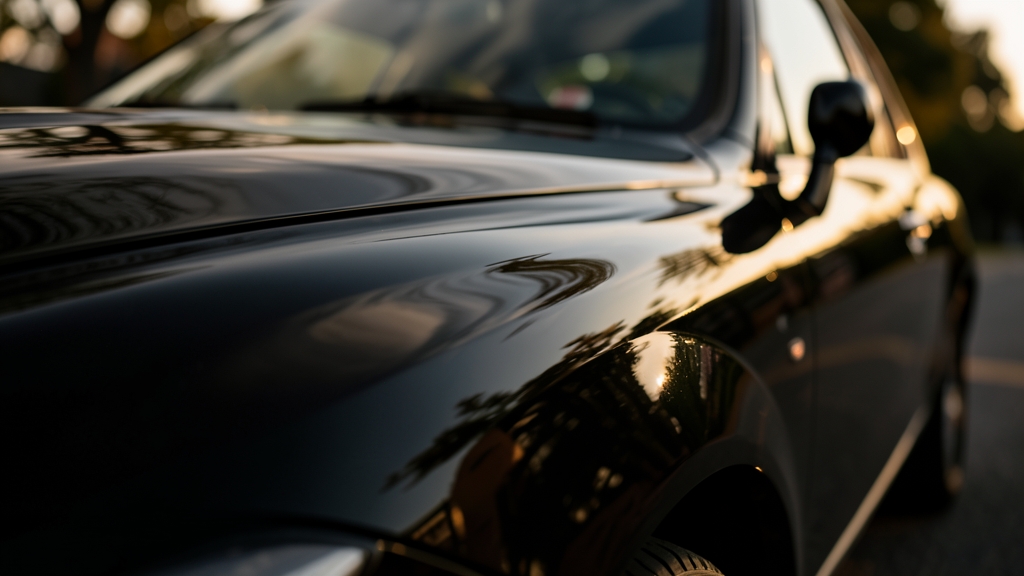
Denver’s high-altitude sun and wild temperature swings take a toll on your car’s paint. But ceramic coatings don’t just shield your vehicle—they also cut down on water waste, harsh chemicals, and long-term environmental harm. Here’s how going ceramic benefits both your ride and the Colorado ecosystem.
Why Denver’s Climate Demands Stronger Paint Protection
At 5,280 feet, UV rays are 25% more intense than at sea level. That means faster paint oxidation, fading, and clear coat breakdown—unless you’ve got a ceramic barrier.
Winter road salt and spring hail in Aurora or Lakewood only add to the assault. A quality ceramic coating repels these contaminants before they etch your finish.
Once salt corrodes your clear coat, no amount of polishing can reverse it. Ceramic coatings create a sacrificial layer that takes the hit instead.
Less Water, Fewer Chemicals: The Eco-Friendly Wash
Ceramic coatings’ hydrophobic properties mean water beads up and rolls off, taking dirt with it. A simple rinse or waterless wash product often does the job.
Traditional waxes require frequent reapplication—and each wash can use 80-140 gallons of water. Ceramic-coated cars need far less.
Reducing VOCs and Toxic Runoff in Local Waterways
Most spray waxes and sealants contain volatile organic compounds (VOCs) that evaporate into the air and wash into storm drains. Ceramic coatings are VOC-free once cured.
In Commerce City or Englewood, where urban runoff flows into the Platte River, this matters. Fewer chemicals in the water mean healthier ecosystems.
Ceramic Coatings vs. Traditional Wax: A Sustainability Showdown
Wax lasts 1-3 months and degrades quickly under Denver’s sun. Ceramic coatings bond at a molecular level, lasting 2-5 years with proper care.
Wax requires repeated applications—each with its own chemical and water footprint. Ceramic coatings minimize this cycle.
| Factor | Ceramic Coating | Traditional Wax |
|---|---|---|
| Lifespan | 2-5 years | 1-3 months |
| Water Usage Over Time | Low (fewer washes) | High (frequent washes) |
| VOC Emissions | None after curing | Present in most products |
| Chemical Runoff | Minimal | Moderate to high |
| Reapplication Frequency | Rare | Every 4-12 weeks |
Long-Term Protection Means Less Waste
Paint correction and repainting generate hazardous waste from sanding dust, old clear coat, and solvents. A well-maintained ceramic coating delays or eliminates this process.
For fleet vehicles in Wheat Ridge or commercial rigs, this means fewer trips to the body shop—and less waste in landfills.
Paint Protection Film (PPF) shields against rock chips and scratches, reducing the need for repaints. Combine it with ceramic coating for the ultimate sustainable defense.
Energy Savings from a Cooler Car
Ceramic coatings reflect UV rays, keeping your car’s interior cooler. That means less reliance on air conditioning—a major fuel drain in Denver’s summer heat.
For electric vehicles, this translates to better range efficiency. Even gas-powered cars see a slight MPG boost from reduced AC use.
What About the Coating Process Itself?
Some critics point to the initial environmental cost of manufacturing ceramic coatings. It’s true: the production of nano-ceramic polymers isn’t zero-impact.
But the long-term benefits—reduced water use, fewer chemicals, and less waste—far outweigh the one-time footprint. Plus, many modern coatings use water-based formulas.
Cheap, low-quality ceramic sprays often contain solvents and may not last. We use professional-grade, eco-conscious products designed for durability and minimal environmental impact.
How to Maintain Your Ceramic Coating for Maximum Eco-Benefits
A little care goes a long way in extending your coating’s life—and its environmental advantages.
- 1Wash Smart
Use a pH-neutral car shampoo and the two-bucket method to avoid swirl marks. Waterless wash products work great for light dust.
- 2Dry Properly
Always dry with a high-quality microfiber towel to prevent water spots. The hydrophobic surface makes this quick and easy.
- 3Avoid Harsh Chemicals
Skip automatic car washes with strong detergents or brushes. Stick to touchless or hand-wash methods.
- 4Reapply Boost Sprays
Every 6-12 months, use a ceramic boost spray to refresh the hydrophobic properties without a full reapplication.
- 5Address Contaminants Quickly
Bird droppings, tree sap, and road tar can etch through the coating if left too long. Remove them promptly with a detailer spray.
Frequently Asked Questions
Are ceramic coatings really better for the environment than wax?
Yes. Wax requires frequent reapplication, each time introducing chemicals and water waste. Ceramic coatings last years, reducing this cycle significantly. They also cut down on the need for harsh cleaners during washes.
How does a ceramic coating help with Denver’s hail storms?
While ceramic coatings add a hard, protective layer, they won’t stop hail damage entirely. For that, we recommend pairing your coating with Paint Protection Film (PPF). The combo provides strong defense against hail, road debris, and UV rays.
Can I apply a ceramic coating myself, or should I hire a pro in Ceramic Coating Denver?
DIY ceramic sprays exist, but professional-grade coatings require precise paint correction, proper surface prep, and controlled application. A pro ensures maximum durability, performance, and environmental benefits. Request a quote to see what’s right for your car.
Do ceramic coatings work on older cars in Lakewood or Aurora?
Absolutely. Older cars often benefit the most from ceramic coatings, as their paint is more vulnerable to oxidation and fading. We’ll start with paint correction to restore the finish before applying the coating.
What’s the difference between ceramic coating and ceramic window tint?
Ceramic coatings protect your car’s paint with a hydrophobic, UV-resistant layer. Ceramic window tint does the same for your glass—blocking UV rays, reducing heat, and adding privacy. Both are eco-friendly upgrades that cut down on energy use.
How often do I need to reapply a ceramic coating in Denver’s climate?
Professional ceramic coatings typically last 2-5 years, depending on maintenance and exposure. Denver’s intense sun and temperature swings may shorten this slightly. We’ll inspect your coating during regular detail visits and recommend a refresh when needed.