How Pros Achieve Flawless Paint for Ceramic Coating in Denver in Ceramic Coating Denver, CO
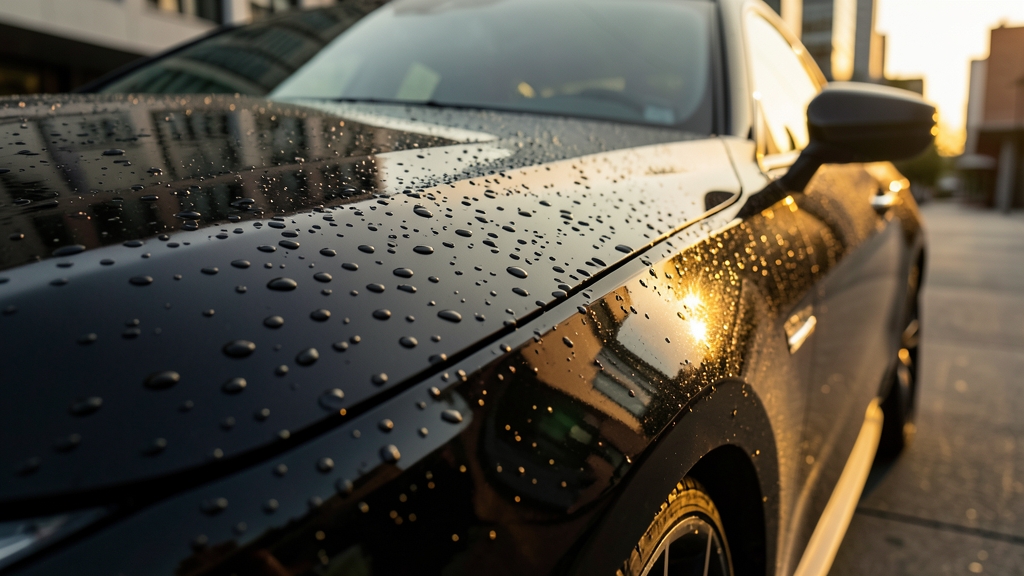
Flawless paint isn’t just about looks—it’s the foundation for a ceramic coating that lasts. In Denver’s harsh climate, proper prep separates a showroom finish from premature failure. Our team knows the exact steps to eliminate defects before the first drop of coating touches your vehicle.
Why Paint Correction Is Non-Negotiable Before Ceramic Coating
Ceramic coatings bond to the clear coat, not the contaminants or imperfections beneath. Skip correction, and you lock in swirls, scratches, and oxidation forever. Denver’s intense UV and temperature swings make this risk even higher.
A coating amplifies every flaw. What looks minor under showroom lights becomes glaring in direct Colorado sunlight. Proper correction ensures the coating adheres to a truly smooth, clean surface.
Applying ceramic coating over uncorrected paint traps imperfections. Removal later requires sanding the coating—and often the clear coat—down to bare paint.
Step 1: Deep Cleaning and Decontamination
We start with a foam cannon wash to lift surface grime without marring the paint. Denver’s dust and road salt demand thorough removal before any correction begins.
Next, a clay bar or synthetic clay mitt pulls embedded contaminants—iron particles, industrial fallout, even tar—that washing alone can’t touch. This step is critical for a glass-smooth finish.
Step 2: Paint Thickness Measurement
Not all paint is created equal. We use a paint thickness gauge to check clear coat depth across panels. Thin spots—common on older vehicles or after prior bodywork—limit how aggressively we can correct.
Denver’s hail season means many cars have hidden fillers or repainted areas. Measuring ensures we avoid burning through to the primer or base coat.
Step 3: Compound vs. Polish—Knowing the Difference
Compounds cut aggressively to remove deep scratches, water spots, and oxidation. They leave behind micro-marring that must be refined with a finer polish.
Finishing polishes enhance gloss and remove compound haze. In Denver’s dry air, we often use water-based polishes to prevent dusting and ensure a clean work surface.
| Tool/Process | Purpose | Grit/Abbrasion Level | When to Use |
|---|---|---|---|
| Heavy Cut Compound | Remove deep scratches, oxidation | Coarse (e.g., 1000-3000 grit equivalent) | Severe defects, single-stage paint |
| Medium Cut Compound | Reduce swirls, moderate scratches | Medium (e.g., 3000-5000 grit equivalent) | Most daily-driven vehicles |
| Fine Polish | Refine finish, enhance gloss | Light (e.g., 6000-8000 grit equivalent) | After compounding or light defects |
| Finishing Polish | Jewel-like clarity, no haze | Ultra-fine (e.g., 9000+ grit equivalent) | Final step before coating |
Tackling Denver-Specific Paint Issues
High-altitude UV fades paint faster here. We often address heavy oxidation on hoods and roofs first, where sun exposure is most intense.
Road salt from winter and magnesium chloride from de-icing leave etches and pitting. These require targeted correction with specialized pads and compounds.
Hail damage is another local reality. While we can’t fix dents, we ensure the surrounding paint is flawless before coating to prevent edge peeling.
Schedule paint correction and coating in late spring or early fall. Denver’s mild seasons allow proper curing without extreme temps or humidity.
The Role of Paint Correction in Ceramic Coating Longevity
A perfectly prepped surface ensures the ceramic coating bonds at a molecular level. This maximizes hydrophobic properties and durability—critical for withstanding Denver’s hail, snow, and road debris.
Without correction, coatings can delaminate or fail prematurely. We’ve seen DIY jobs peel within months because the prep was rushed or incomplete.
When to Consider Paint Correction Beyond Ceramic Coating
Not every vehicle needs a full correction before coating. New cars or those with minor swirls may only require a one-step polish. We tailor the process to your paint’s condition.
For classic cars or high-end exotics in areas like Cherry Creek or Highlands Ranch, multi-stage correction is often the standard. These vehicles demand show-quality finishes.
Signs Your Car Needs Paint Correction Before Coating
- Visible swirl marks or spiderwebbing in direct light
- Oxidation or fading (common on darker colors)
- Water spots etched into the clear coat
- Rough texture when running a clean hand over the paint
- Holograms or buffer trails from prior poor detailing
How to Maintain Corrected Paint After Ceramic Coating
Proper upkeep extends the life of your coating and keeps your paint looking flawless.
- 1Wash Regularly with pH-Neutral Soap
Use a high-quality automotive shampoo and a microfiber wash mitt. Avoid automatic car washes with harsh brushes, especially in winter when road grime is worst.
- 2Dry Thoroughly to Prevent Water Spots
Denver’s hard water leaves mineral deposits. Always dry with a clean microfiber towel or use a blower to eliminate standing water.
- 3Apply a Ceramic Boost Spray Every 3-6 Months
This replenishes hydrophobic properties and fills minor gaps in the coating. Ideal after harsh seasons like winter or summer.
- 4Avoid Parking Under Direct Sunlight
While ceramic coatings resist UV, prolonged exposure accelerates oxidation beneath the coating. Use a garage or shaded area when possible.
- 5Address Contaminants Immediately
Bird droppings, tree sap, and bug splatter can etch paint if left too long. Remove them with a detailer spray and microfiber cloth as soon as you notice them.
Frequently Asked Questions
How long does paint correction take before ceramic coating in Denver?
It depends on the vehicle’s condition. A light polish may take 4-6 hours, while a full multi-stage correction for a heavily oxidized or swirled vehicle can span 1-2 days. We always inspect first to provide an accurate timeline.
Can you ceramic coat a car without paint correction?
Technically yes, but it’s not recommended. The coating will seal in all existing defects, making them permanent. For best results—and to justify the investment—correction is essential.
Does paint correction remove scratches completely?
It depends on the depth. Light to moderate scratches within the clear coat can often be fully removed. Deep scratches that penetrate the base coat may need touch-up paint first.
How does Denver’s climate affect paint correction and ceramic coating?
The dry air and intense UV accelerate paint degradation, making correction more critical. The coating itself must cure in controlled conditions—too cold or too hot, and it won’t bond properly.
Is paint correction included in ceramic coating services in Aurora or Lakewood?
Many reputable shops bundle a basic correction with coating packages, but severe defects may require an additional fee. We always assess the paint first and provide a transparent quote for the prep work needed.
What’s the difference between paint correction and paint protection film (PPF)?
Paint correction fixes existing imperfections, while PPF is a physical barrier that protects against future damage like rock chips or scratches. Many clients in Commerce City or Wheat Ridge opt for both—correction first, then PPF on high-impact areas followed by a ceramic coating over the entire vehicle.