How to Test the Quality of Your Ceramic Coating in Ceramic Coating Denver
A high-quality ceramic coating should repel water, resist scratches, and maintain gloss for years—especially under Denver’s intense sun and temperature swings. But how do you verify its performance after application? We’ll walk you through field-tested methods to assess your coating’s integrity, from hydrophobic checks to durability tests.
Why Quality Testing Matters for Ceramic Coatings
Ceramic coatings are a long-term investment in your vehicle’s paint. Poor application or low-grade products can lead to premature failure, leaving your paint vulnerable to UV damage, bird droppings, and road grime.
Denver’s high altitude and UV exposure accelerate paint oxidation. A properly applied coating from a trusted Ceramic Coating Denver provider should withstand these conditions for 2-5 years or more.
The Water Beading Test: Hydrophobic Performance
The most visible sign of a quality ceramic coating is its hydrophobic effect. Water should bead into tight, spherical droplets and roll off the surface with minimal effort.
If water sheets or leaves residue, the coating may be degraded or improperly applied. This test works best on a clean, dry surface—ideal after a fresh wash in Aurora or Lakewood.
Use a spray bottle to mist water evenly across the panel. High-quality coatings will cause beads to merge and slide off at even slight angles.
Gloss and Clarity: Visual Inspection Under Light
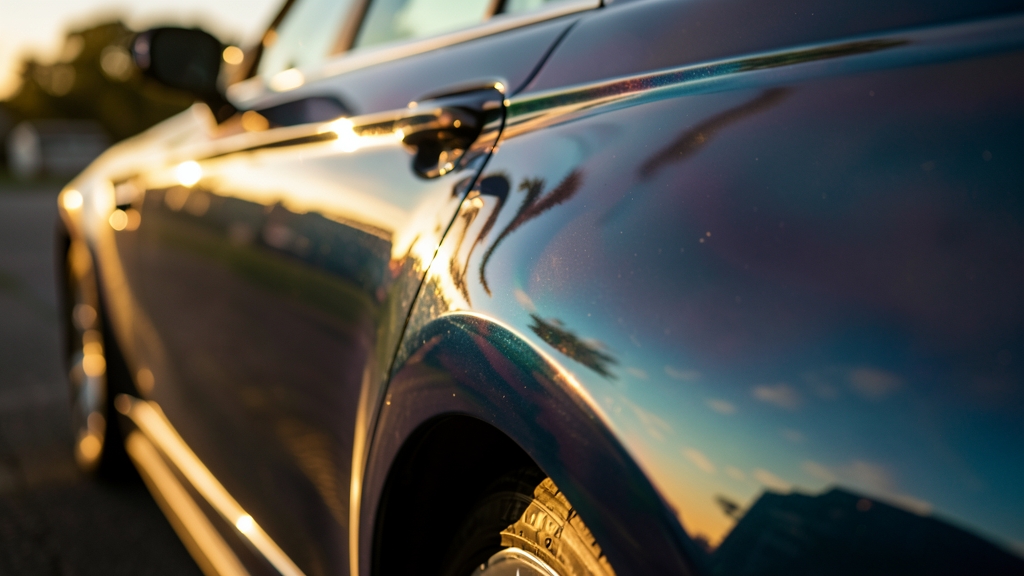
A premium ceramic coating enhances paint depth and gloss. Inspect the vehicle under direct sunlight or a high-intensity light to check for consistent shine and absence of hazing.
Swirl marks or dull spots often indicate poor paint correction before coating application. This is why we always pair Full-Vehicle Ceramic Coating with professional Paint Correction & Polishing.
The Fingerprint and Contaminant Resistance Test
Run your finger across the coated surface. A quality coating should feel slick and smooth, with minimal friction. Contaminants like tar or bug splatter should wipe away easily with a microfiber towel.
If the surface feels rough or sticky, the coating may lack proper cross-linking or was applied over contaminants. This is common in DIY jobs we’ve seen in Englewood and Commerce City.
Avoid harsh chemicals or abrasive cloths to test resistance, as they may damage the coating.
Scratch and Hardness Tests: Proceed with Caution
Ceramic coatings add a layer of hardness (typically 9H on the pencil scale), but they’re not scratch-proof. Lightly drag a plastic card (like a credit card) across the surface. It should glide without leaving marks.
For a more precise test, use a 9H pencil hardness kit. If the pencil leaves a visible scratch, the coating may be compromised. Note: This test is best left to professionals to avoid accidental damage.
| Coating Type | Hardness (Pencil Scale) | Expected Lifespan | UV Resistance |
|---|---|---|---|
| Consumer-Grade | 6H-7H | 1-2 years | Moderate |
| Professional-Grade (e.g., Ceramic Coating Denver) | 9H | 3-5 years | High |
| Hybrid (Ceramic + PPF) | 9H+ | 5-7+ years | Very High |
Chemical Resistance: The Spot Test
Apply a drop of isopropyl alcohol (70% or higher) or a dedicated ceramic coating test solution to a small area. Let it sit for 30 seconds, then wipe it off.
If the coating remains intact and the paint underneath is unharmed, the chemical resistance is strong. Weak coatings may show discoloration or etching, especially in areas like Wheat Ridge with heavy road salt use.
Long-Term Durability: Seasonal Checks in Denver’s Climate
Denver’s winters bring road salt, while summers bring UV rays and hail. Re-test your coating every 6 months for changes in hydrophobicity, gloss, or ease of cleaning.
If performance declines, consider a maintenance spray or a professional inspection. For maximum protection, pair your coating with Paint Protection Film (PPF) Installation on high-impact areas.
Seasonal Ceramic Coating Maintenance
- Wash with pH-neutral soap every 2 weeks
- Reapply hydrophobic spray every 3-6 months
- Inspect for water spots or etching after hail storms
- Avoid automatic car washes with harsh brushes
How to Perform a Full Ceramic Coating Quality Check
Follow these steps to thoroughly assess your ceramic coating’s condition.
- 1Clean the Surface
Wash and dry the vehicle completely to remove dirt, wax, or old sealants. Use a clay bar if necessary to decontaminate the paint.
- 2Test Hydrophobic Properties
Spray water onto the surface and observe beading. Tight, rolling beads indicate a healthy coating.
- 3Inspect Gloss and Clarity
Check the paint under sunlight or a bright light. Look for consistent shine and absence of swirls or hazing.
- 4Check Smoothness
Run your hand over the surface. It should feel glass-like. Any roughness suggests contamination or coating failure.
- 5Perform a Chemical Spot Test
Apply a drop of isopropyl alcohol to an inconspicuous area. Wipe after 30 seconds and check for damage.
- 6Document and Compare
Take photos and notes of your tests. Compare results over time to track coating degradation.
Frequently Asked Questions
How often should I test my ceramic coating in Ceramic Coating Denver?
We recommend a full quality check every 6 months, especially before and after Denver’s harsh winters. Quick water beading tests can be done after every wash to monitor performance.
Can I test my ceramic coating if it’s only a few days old?
Avoid aggressive tests like scratch or chemical tests for at least 7-14 days. The coating needs time to fully cure and bond to the paint, especially in Colorado’s dry climate.
What’s the difference between a ceramic coating and Paint Protection Film (PPF)?
Ceramic coatings are liquid polymers that bond to paint, enhancing gloss and hydrophobicity. PPF is a physical urethane film that protects against rock chips and scratches. Many of our clients in Aurora and Lakewood combine both for ultimate protection.
Will a ceramic coating prevent all scratches?
No. While coatings add hardness and resist light scratches, they won’t stop deep scratches from keys or debris. For scratch-prone areas, consider adding PPF Installation or Ceramic Window Tint for vulnerable glass surfaces.
How do I fix a failing ceramic coating?
If tests show your coating is degraded, the only fix is removal and reapplication. This often requires Paint Correction & Polishing to restore the paint before reappling the coating. Request a quote to assess the work needed.
Does ceramic coating work on wheels and brake calipers?
Yes! Wheel & Brake Caliper Ceramic Coating is a great add-on to protect against brake dust, road grime, and high temperatures. The same quality tests apply, though wheels may require more frequent cleaning to maintain performance.