How to Keep Contaminants from Bonding to Your Ceramic Coating in Denver in Ceramic Coating Denver, CO
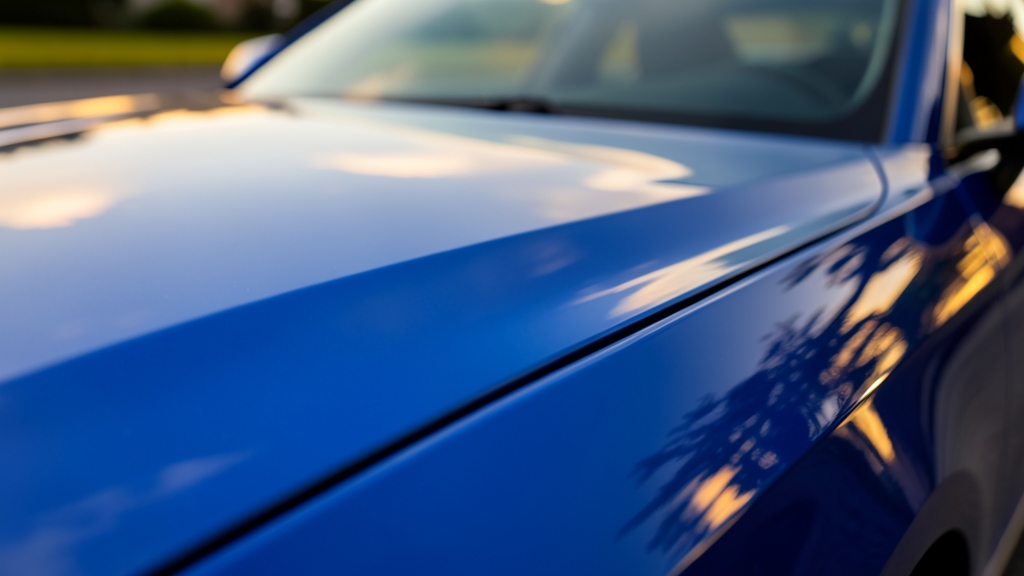
A ceramic coating creates a hydrophobic shield, but Denver’s harsh seasons and road grime can still challenge its defenses. Without proper care, contaminants like tar, iron, and mineral deposits bond to the surface, degrading its performance. We’ll show you how to keep your coating pristine and long-lasting.
Why Contaminants Stick to Ceramic Coatings in Denver’s Climate
Denver’s rapid temperature swings, UV exposure, and winter road salts accelerate contaminant bonding. Even a high-quality ceramic coating isn’t immune to iron particles, tar, or hard water minerals embedding into the surface over time.
The coating’s hydrophobic properties repel water, but static-charged contaminants like brake dust and industrial fallout cling stubbornly. Without intervention, these particles etch into the coating, reducing gloss and protection.
The Role of Proper Decontamination Before Coating Application
A flawless ceramic coating starts with a contaminant-free surface. We always perform thorough paint correction and decontamination—using clay bars, iron removers, and pH-balanced cleaners—to ensure no embedded particles compromise the bond.
Skipping this step in areas like Aurora or Lakewood, where road grime is heavy, leads to premature coating failure. Contaminants trapped under the coating create weak spots, allowing new debris to adhere faster.
Embedded particles under a fresh coating will cause peeling, hazing, or reduced durability. Always decontaminate first.
Maintenance Washes: The First Line of Defense
Regular maintenance washes with pH-neutral car soap prevent contaminants from bonding. In Denver’s dry climate, dust and pollen accumulate quickly, so we recommend a two-bucket wash method weekly.
Avoid automatic car washes with harsh brushes—they scratch the coating and create micro-abrasions where contaminants lodge. Hand-washing with a high-quality mitt preserves the hydrophobic layer.
Deep Cleaning Techniques for Stubborn Contaminants
For bonded contaminants like tar or iron, a standard wash won’t suffice. Use a dedicated iron remover spray (pH-balanced) or a tar remover, but always test on a small area first to avoid damaging the coating.
In Commerce City or Wheat Ridge, where industrial fallout is common, a monthly deep clean with a clay mitt or nano-towel helps lift embedded particles without marring the surface.
Deep Cleaning Essentials
- Use pH-neutral iron remover for brake dust and rail dust
- Apply tar remover with a microfiber towel, not abrasive pads
- Follow with a coating-safe quick detailer to restore hydrophobicity
- Rinse thoroughly to prevent residue buildup
Ceramic Coating vs. Paint Protection Film: Contaminant Resistance Compared
While ceramic coatings excel at repelling water and light contaminants, paint protection film (PPF) offers superior resistance to physical debris like rock chips. In Denver, many drivers combine both for ultimate defense.
PPF is self-healing and absorbs impacts, but it requires more maintenance to prevent staining. Ceramic coatings, on the other hand, are easier to clean but less effective against deep scratches.
| Feature | Ceramic Coating | Paint Protection Film (PPF) |
|---|---|---|
| Hydrophobic Properties | Excellent (9H hardness) | Good (self-healing top layer) |
| Scratch Resistance | Moderate (protects against light scratches) | High (absorbs impacts) |
| Contaminant Bonding Risk | Low (easier to clean) | Moderate (requires frequent decontamination) |
| Longevity | 2-5 years (with maintenance) | 5-10 years (with care) |
| Maintenance | Low (regular washes, annual top-ups) | Moderate (deep cleans, clay bar treatments) |
| Ideal for Denver Drivers | Daily commuters, gloss enhancement | Off-roaders, highway drivers |
The Impact of Denver’s Water on Your Coating
Denver’s hard water leaves mineral deposits that etch into ceramic coatings if not removed promptly. After washing, always dry your vehicle with a clean microfiber towel to prevent water spots.
For vehicles in Englewood or Lakewood, where water quality varies, a final rinse with distilled water or a water spot remover can prevent long-term staining. Never let water air-dry on the coating.
Installing a basic water softener or filter on your hose reduces mineral buildup and extends your coating’s lifespan.
Protecting Wheels and Brake Calipers from Contaminant Bonding
Wheels and brake calipers endure extreme heat and brake dust, which fuse to surfaces without protection. A dedicated wheel ceramic coating repels brake dust and simplifies cleaning, especially in stop-and-go Denver traffic.
For fleet vehicles in Wheat Ridge or Commerce City, we recommend a high-temp ceramic coating on calipers to prevent corrosion and contaminant bonding from constant braking.
Seasonal Considerations for Denver Drivers
Winter brings road salt and magnesium chloride, which corrode unprotected surfaces and degrade ceramic coatings faster. A pre-winter application of a ceramic boost spray adds an extra hydrophobic layer.
Summer UV rays and pollen in areas like Aurora can dull the coating’s gloss. A monthly application of a ceramic detailer restores hydrophobicity and fills minor gaps where contaminants might bond.
How to Remove Bonded Contaminants Without Damaging Your Coating
Follow these steps to safely eliminate stubborn contaminants from your ceramic coating.
- 1Pre-Wash Rinse
Use a pressure washer or hose to remove loose dirt. Avoid high pressure directly on the coating to prevent lifting edges.
- 2Apply pH-Neutral Cleaner
Spray a ceramic-safe cleaner (e.g., iron remover) on the affected area. Let it dwell for 2-3 minutes to break down contaminants.
- 3Agitate Gently
Use a microfiber towel or clay mitt to lift embedded particles. Never use abrasive pads or harsh scrubbing.
- 4Rinse and Inspect
Rinse thoroughly with water and inspect the area. Repeat if contaminants remain, then dry with a clean microfiber towel.
- 5Restore Hydrophobicity
Apply a ceramic boost spray or quick detailer to replenish the coating’s water-repellent properties and seal the surface.
Frequently Asked Questions
How often should I decontaminate my ceramic coating in Denver?
For daily drivers, a deep decontamination every 3-6 months is ideal, depending on exposure. In high-traffic areas like downtown Denver or Commerce City, monthly clay bar treatments may be necessary to prevent bonding.
Can automatic car washes damage my ceramic coating?
Yes. The brushes and harsh detergents in most automatic washes create micro-scratches, giving contaminants a foothold. Stick to hand-washing with pH-neutral soap to preserve your coating’s integrity.
What’s the best way to remove tar from a ceramic coating?
Use a dedicated tar remover and a microfiber towel. Avoid petroleum-based solvents, as they can degrade the coating. Always test on a small area first and follow up with a ceramic detailer.
Does ceramic window tint help with contaminant resistance?
Yes. Ceramic window tint repels water and reduces mineral buildup, just like a paint coating. It’s especially useful in Denver’s sunny climate to prevent hard water spots on glass.
Why do contaminants bond faster in winter?
Road salts and magnesium chloride are highly corrosive and chemically bond to surfaces. In Denver’s freeze-thaw cycles, these contaminants embed deeper, requiring more frequent decontamination.
Can I apply a ceramic coating over existing contaminants?
No. Any contaminants left on the surface will be sealed under the coating, leading to premature failure. Always perform paint correction and decontamination before application.