The Science Behind Ceramic Coating Degradation and How to Preserve It in Ceramic Coating Denver
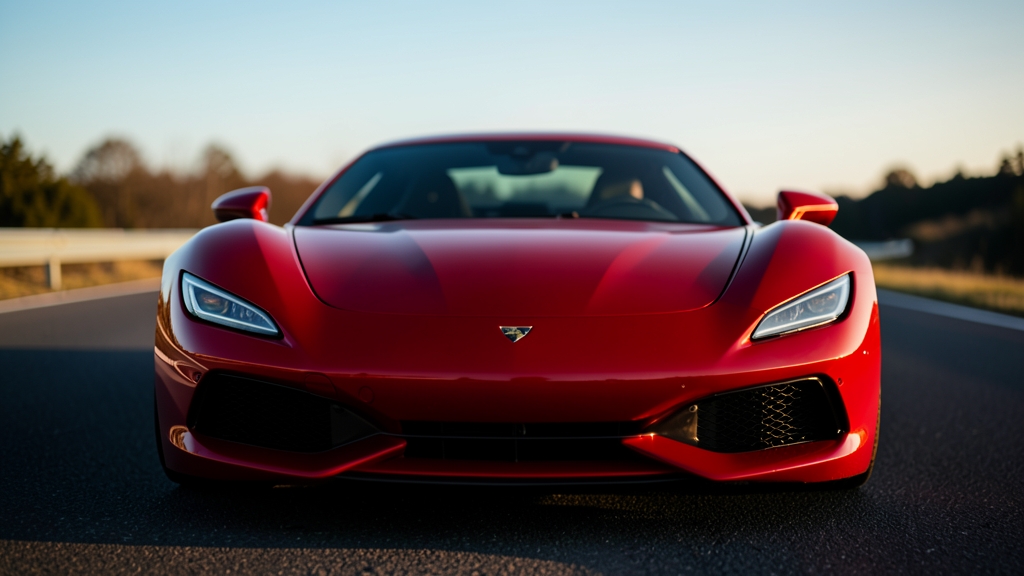
Ceramic coatings don’t last forever, but understanding why they break down helps you protect your investment. In our high-altitude, sun-drenched climate, UV exposure and temperature swings accelerate degradation—unless you take the right steps.
What Ceramic Coatings Are Made Of and Why It Matters
Most automotive ceramic coatings use silicon dioxide (SiO2) or silicon carbide (SiC) as their base. These compounds form a semi-permanent bond with your clear coat, creating a hydrophobic, glossy shield.
The quality of the resin and the concentration of SiO2/SiC determine durability. Higher-grade formulas resist UV oxidation and chemical etching far longer than budget options.
The Top 5 Causes of Ceramic Coating Degradation
UV radiation is the primary culprit. In Denver, the thin atmosphere and 300+ days of sunshine intensify UV exposure, breaking down the coating’s molecular structure over time.
Thermal cycling—rapid shifts from freezing mornings to hot afternoons—causes micro-fractures. These tiny cracks let contaminants seep in, weakening the bond.
Improper prep is a silent killer. If paint correction isn’t done before application, embedded swirls or oxidation prevent the coating from adhering properly, leading to premature failure.
Harsh chemicals strip the coating. Automatic car washes with high-pH soaps or degreasers can erode the hydrophobic layer, reducing water beading and protection.
Physical abrasion from improper washing techniques or road debris chips away at the coating. Even micro-scratches accumulate, thinning the protective layer.
Never apply a ceramic coating over a freshly painted surface without allowing proper curing time. Trapped solvents can cause bubbling and delamination.
How Denver’s Climate Accelerates Coating Wear
Our mile-high elevation means 25% more UV intensity than at sea level. This speeds up oxidation, fading both the coating and the underlying paint if not properly maintained.
Winter brings road salt and magnesium chloride, which are highly alkaline. If not rinsed off quickly, they can etch into the coating, especially in areas like Aurora and Commerce City where de-icing is aggressive.
Dry air and dust storms in Wheat Ridge or Lakewood increase abrasive contamination. Fine particles act like sandpaper, wearing down the coating’s surface over time.
Hail is a unique threat. While ceramic coatings add scratch resistance, they don’t prevent dents. Pairing the coating with Paint Protection Film (PPF) in hail-prone areas like Englewood adds an extra layer of defense.
Ceramic Coating vs. Wax vs. Sealant: Longevity Comparison
Not all protective products are created equal. Ceramic coatings outlast traditional waxes and sealants by years, not months.
| Product | Durability | UV Resistance | Hydrophobic Properties | Maintenance |
|---|---|---|---|---|
| Ceramic Coating | 2-5+ years | Excellent | High (water beads at 110°+ contact angle) | Low (wash every 2 weeks) |
| Synthetic Sealant | 6-12 months | Good | Moderate (beading fades over time) | Moderate (reapply 1-2x/year) |
| Natural Carnauba Wax | 1-3 months | Fair | Low (short-lived beading) | High (reapply every 4-8 weeks) |
| Paint Protection Film (PPF) | 5-10 years | Excellent | Self-healing (minor scratches) | Low (wash regularly) |
Signs Your Ceramic Coating Is Failing
Water no longer beads on the surface. Instead, it sheets or leaves spots. This indicates the hydrophobic layer has worn thin.
The paint looks dull or hazy, even after washing. This suggests the coating’s gloss-enhancing properties have degraded, often due to UV damage or contamination.
Swirl marks or fine scratches appear more easily. A healthy coating resists light abrasions; if they’re showing up, the protective layer may be compromised.
Chemical stains or etching are visible. Bird droppings, bug splatter, or water spots that don’t wash off signal the coating’s chemical resistance is fading.
Use a pH-neutral car shampoo and a foam cannon for washing. This minimizes abrasion and preserves the coating’s integrity.
How to Extend the Life of Your Ceramic Coating
Wash your vehicle every two weeks using the two-bucket method. This prevents dirt buildup that can scratch the coating during cleaning.
Apply a ceramic coating booster or spray sealant every 3-6 months. These refresh the hydrophobic properties without requiring a full reapplication.
Park in a garage or use a car cover. Shielding your vehicle from UV rays and hail (common in Denver suburbs) slows degradation significantly.
Avoid automatic car washes with brushes. The friction can wear down the coating prematurely. Touchless washes are a safer alternative.
Address contaminants immediately. Bird droppings, tree sap, and bug splatter are acidic and can etch the coating if left untreated.
Ceramic Coating Maintenance Checklist
- Wash with pH-neutral shampoo every 2 weeks
- Use a microfiber wash mitt and separate buckets for wheels/body
- Apply a ceramic spray sealant every 3-6 months
- Remove contaminants (bird droppings, sap) within 24 hours
- Inspect for water beading and gloss retention monthly
When to Consider a Reapplication or Upgrade
If your coating is over 2 years old and showing signs of failure, it may be time for a refresh. Our team can assess whether a full reapplication or a maintenance layer is needed.
Upgrading to a professional-grade SiC-based coating can provide even longer durability, especially for vehicles in high-exposure areas like Lakewood or Wheat Ridge.
For ultimate protection, combine ceramic coatings with Paint Protection Film (PPF). PPF handles physical impacts, while the coating adds chemical resistance and gloss.
How to Test Your Ceramic Coating’s Hydrophobic Performance
A simple water test can reveal if your coating is still effective.
- 1Clean the Surface
Wash and dry a section of your vehicle’s paint to remove any dirt or oils that could skew the results.
- 2Spray Water
Use a spray bottle to mist water onto the clean surface. Observe how the water behaves.
- 3Check Water Beading
A healthy ceramic coating will cause water to bead into tight, round droplets. If the water sheets or flattens, the coating is degrading.
- 4Test Multiple Areas
Compare the beading on the hood, roof, and doors. Inconsistent beading may indicate uneven application or wear.
- 5Note the Contact Angle
Ideally, water droplets should sit high off the surface at a 110°+ angle. Flatter droplets mean reduced hydrophobicity.
Frequently Asked Questions
How long does a ceramic coating last in Denver’s climate?
With proper maintenance, a professional-grade ceramic coating typically lasts 2-5 years in Denver. The high UV exposure and temperature swings can shorten this lifespan if the vehicle isn’t cared for correctly. Request a quote to discuss options tailored to your driving habits.
Can I apply a ceramic coating myself, or should I hire a professional in Ceramic Coating Denver?
DIY kits are available, but professional application ensures proper paint correction, even coverage, and curing. Mistakes in prep or application can lead to peeling, streaking, or reduced durability. For best results, trust a local expert.
Does ceramic coating prevent hail damage?
Ceramic coatings add scratch resistance and UV protection but won’t stop hail dents. For hail-prone areas like Commerce City or Aurora, we recommend pairing the coating with Paint Protection Film (PPF) for full protection.
What’s the difference between SiO2 and SiC ceramic coatings?
SiO2 (silicon dioxide) coatings are more common and offer excellent gloss and hydrophobicity. SiC (silicon carbide) coatings are harder and more durable, often lasting longer in harsh conditions. SiC is ideal for high-mileage or frequently exposed vehicles.
How do I remove old ceramic coating before reapplying?
Removing a ceramic coating requires abrasive polishing or a dedicated coating remover. This process can damage the clear coat if not done carefully. Our team uses safe, professional-grade methods to strip old coatings without harming your paint.
Is ceramic coating worth it for older vehicles in Ceramic Coating Denver?
Absolutely. Older vehicles benefit from the added protection against UV fading, oxidation, and contamination. Just ensure the paint is corrected first to address existing swirls or scratches. Interior ceramic protection can also revive aging dashboards and trim.